Skip to content


Church Heating for Congregations Across the UK
What's the best way to heat a church?
Instant Warmth for High Ceilings Without the Wasted Energy
Churches are some of the most difficult and expensive buildings to heat conventionally—high, exposed ceilings mean warm air rises straight past the congregation and disappears, taking your heating budget with it. Most churches are still running gas or oil convection systems that were never designed to fight that physics.
SunSwitch’s HeatLogik® infrared heaters solve it differently: instant, targeted warmth that heats people directly, with no pre-warming required and nothing lost to the ceiling.
Why do churches need a different approach to heating?
- High, exposed ceilings mean conventional heating loses most of its output before it reaches the congregation
- Infrequent use (weekly services, occasional events) makes pre-warming gas or oil systems expensive and wasteful
- No air movement means no recirculated dust, allergens, viruses or bacteria—a real consideration for shared public buildings
- No condensation generated indoors, which matters for the fabric of historic buildings specifically
How does infrared compare to conventional church heating?
| Factor | Infrared SunSwitch HeatLogik® | Gas/oil convection |
|---|---|---|
| Heat loss to ceiling | None—heats people directly | High—churches are the worst-case scenario for this |
| Pre-warming required | No—instant | Yes—often the night before |
| Installation | Simple electrical connection | Often complex, older systems hard to repair |
| Condensation risk | None | Can affect historic building fabric |
| Typical savings | Up to 90% vs conventional | Nil |
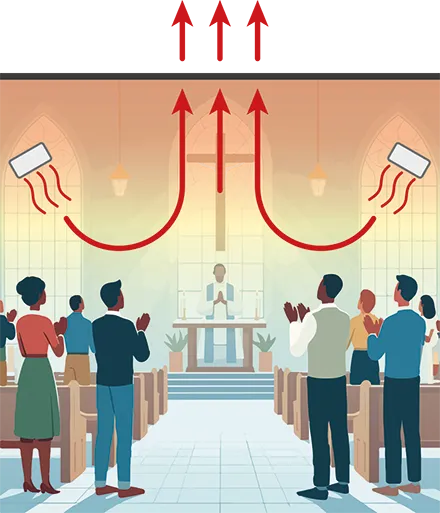
Conventional heating systems heat the air, which is wasted as it naturally rises and can also drift away with air movement.
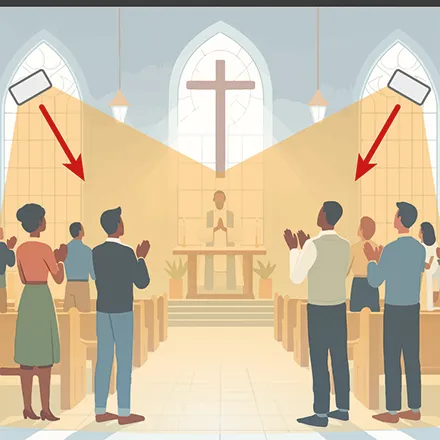
Local Warming creates an instant pool of warmth, which will not rise to the ceiling or drift away with air movement.

What our customers say
“We have enabled our groups to carry on using the church in the winter months… this means we are open and accessible all year round at the centre of our community.”
— Treasurer, Mendham All Saints’
All Saints’, a thirteenth-century flint church in Suffolk, replaced a failing 1970s electric convector system—with wiring buried inaccessibly into the pew plinths—with SunSwitch HeatLogik® Varma Tower heaters, recommended by their Diocesan Church Buildings Support Officer.
The result: instant, targeted heat for services, prayer groups and singing rehearsals, funded in part through the Church of England’s Net Zero Quick Wins fund, saving the church an estimated £300 a year on electricity.
Read the full Mendham All Saints' case study
Background
All Saints’ Church in Mendham, Suffolk has been a place of worship for our small rural community for almost a thousand years… a Minster was recorded by the Normans when they arrived in our remote little corner of the country. The current building was, like so many others, “modernised” by the Victorians, who added pews and tiled floors to what is, at its core, a thirteenth century flint building.
Challenge
Our monthly worship comprises a formal Communion service and a less-formal village service as well as quiet prayer groups weekly; our congregation numbers about two dozen at these events. Baptisms and Weddings are also celebrated and Funerals take place from time-to-time too. We are very proud to be a Gold Eco-Church and make sure that we care for our local and the global environment so far as we can. Other than for worship, we have two singing groups who use the church, and people use the space for small meetings of all sorts.
In the 1970s a heating system was added, comprising under-pew electric convector heaters and a few high-level radiant heaters. The wiring for the low-level heaters was, unhelpfully, buried into the pew plinths, so when anything goes wrong with a heater it can’t be fixed! When we want to properly heat the church so that it is possible to use the building without having to wear a coat, we have to turn the heating on the night before… this costs a fortune and doesn’t sit well with our green credentials.
Solution
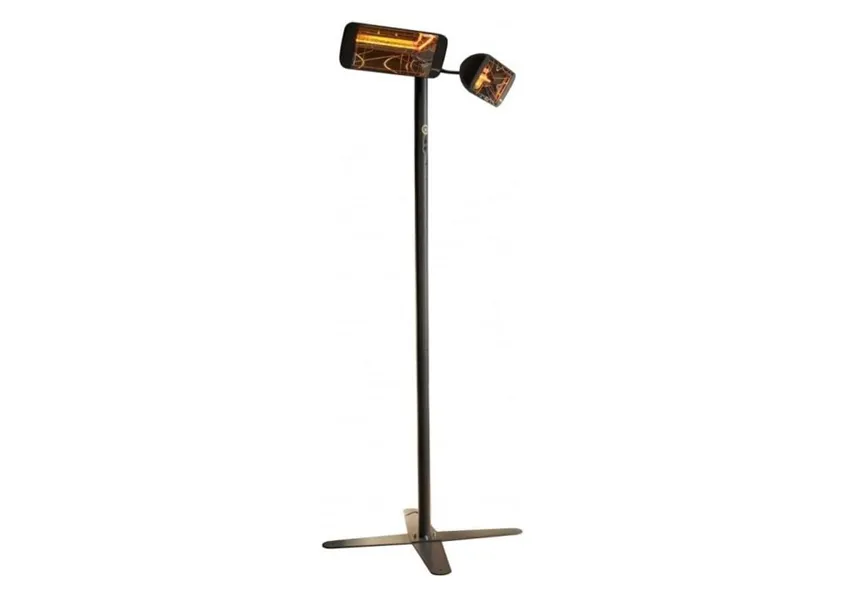
It was the need to heat a small space – for the singers, the meetings and the coffee-drinking congregation that made us look for alternative… and that’s how we came to the SunSwitch HeatLogik® Varma Tower heaters. These were recommended to us by the Diocesan Church Buildings Support Officer and have proved excellent. We successfully gained a grant under the Net Zero Quick Wins fund from the CofE.
Results
- Turn them on and there’s instant heat, right where it is needed
- No need for special electrical installation, just a normal socket
- The electrical use is low for the effect they achieve, and a significant saving both on electrical consumption and helping to reduce our carbon footprint too
- Robust design, stable and simple and ideal for use in a public space
Outcome
As Treasurer, I think that we have saved three hundred pounds on our annual electricity bill. But more importantly, we have enabled our groups to carry on using the church in the winter months… this means we are open and accessible all year round: at the centre of our community.
Where should infrared heaters be placed within the church?
Main worship space
Targeted warmth for the congregation without heating the full ceiling volume
Side chapels and prayer groups
Smaller-scale zoned heating for low-attendance use
Church halls and meeting rooms
The same instant-heat benefit for community groups and singing rehearsals
Historic and listed buildings
No condensation risk, simple electrical installation rather than invasive pipework
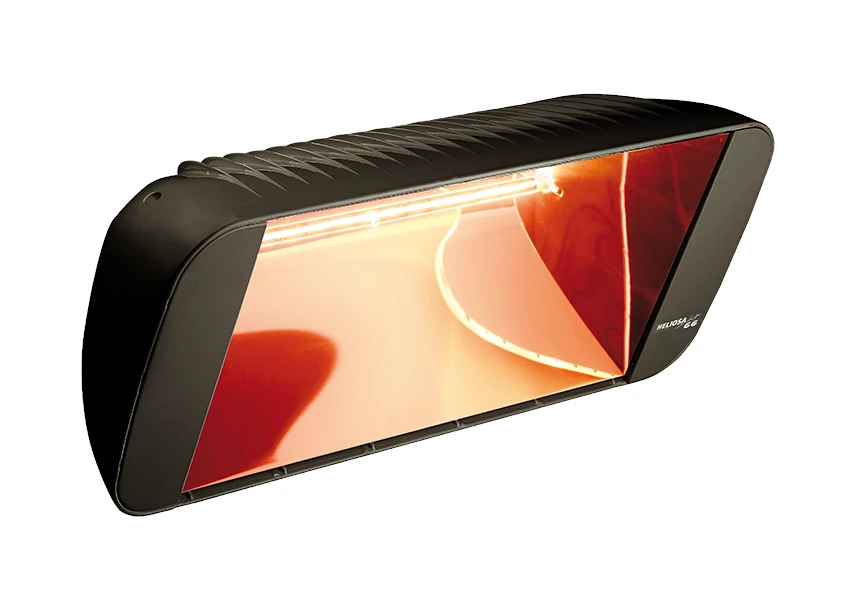
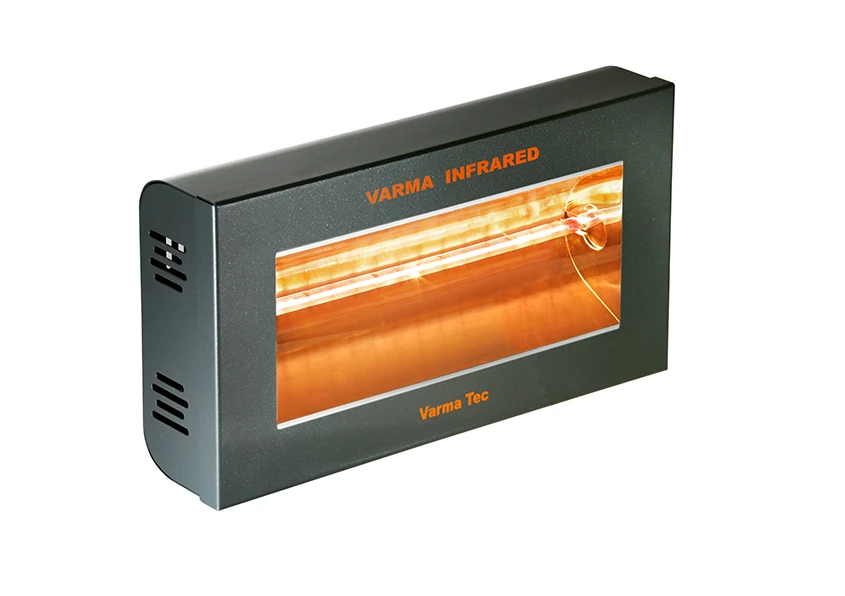
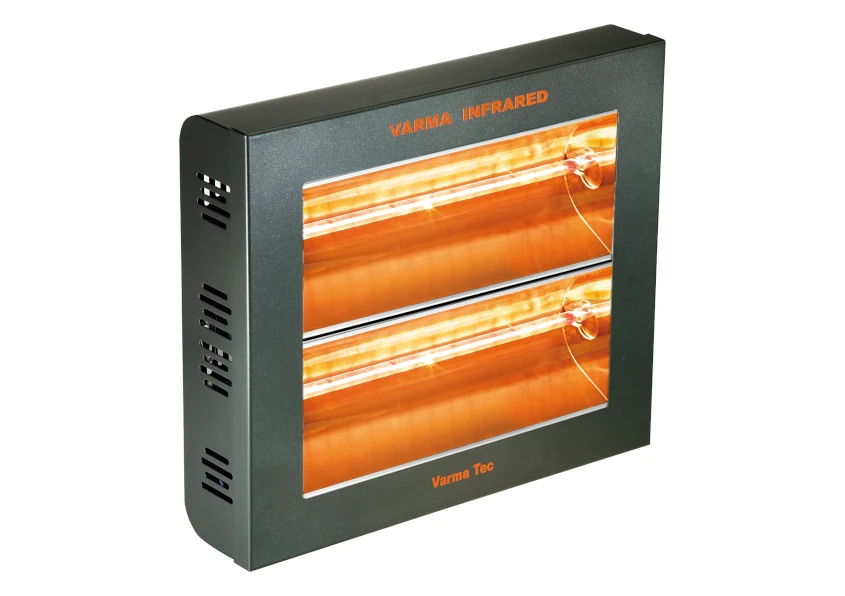
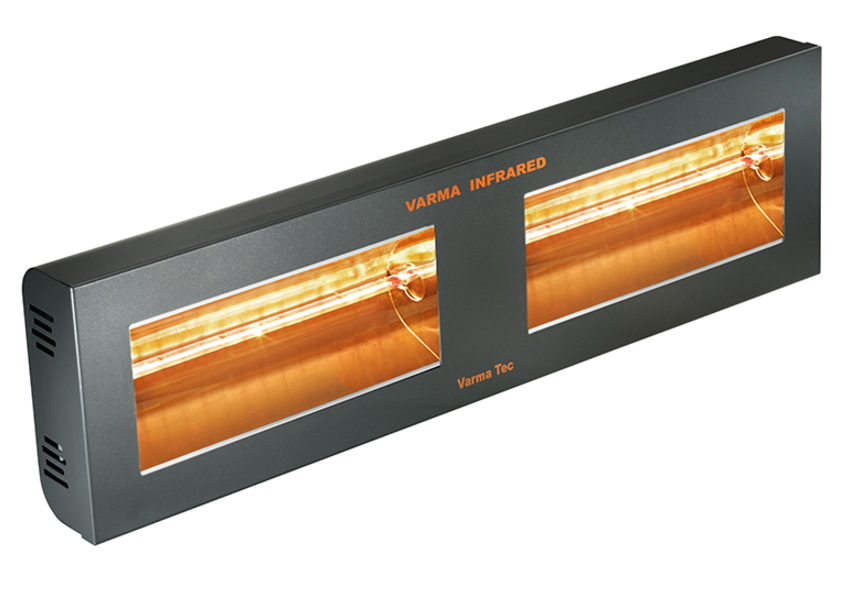
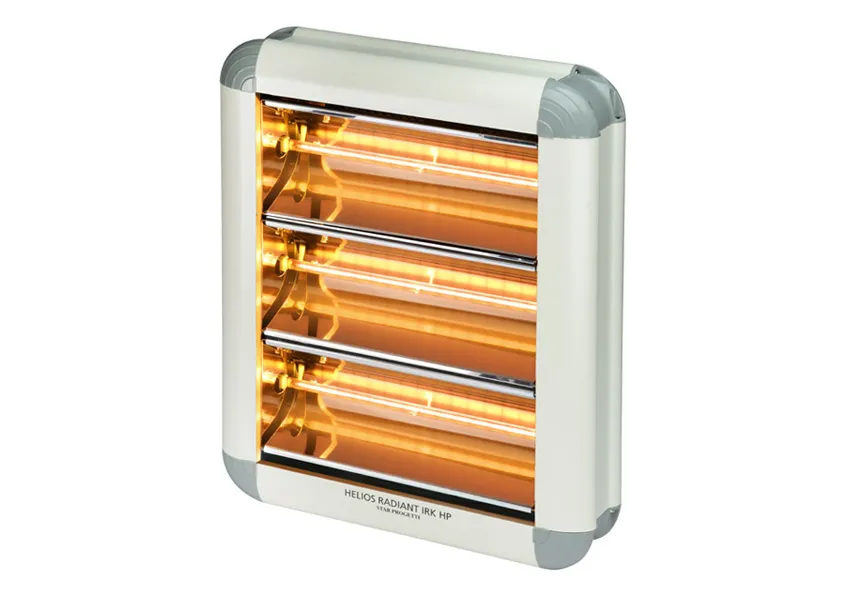
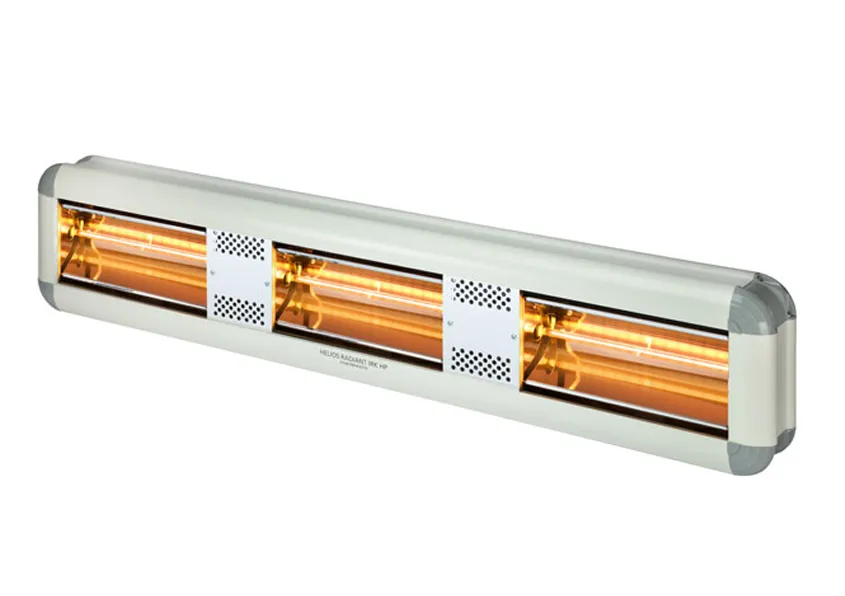
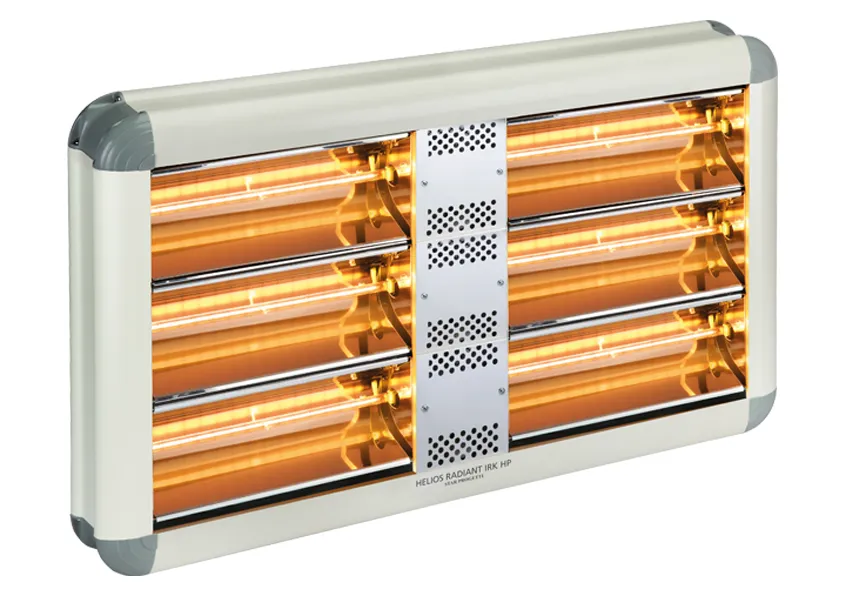
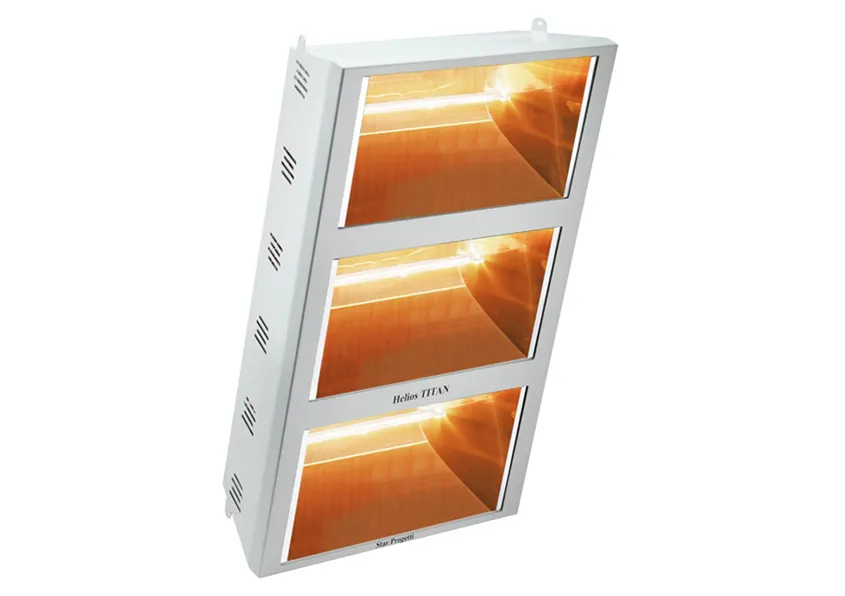
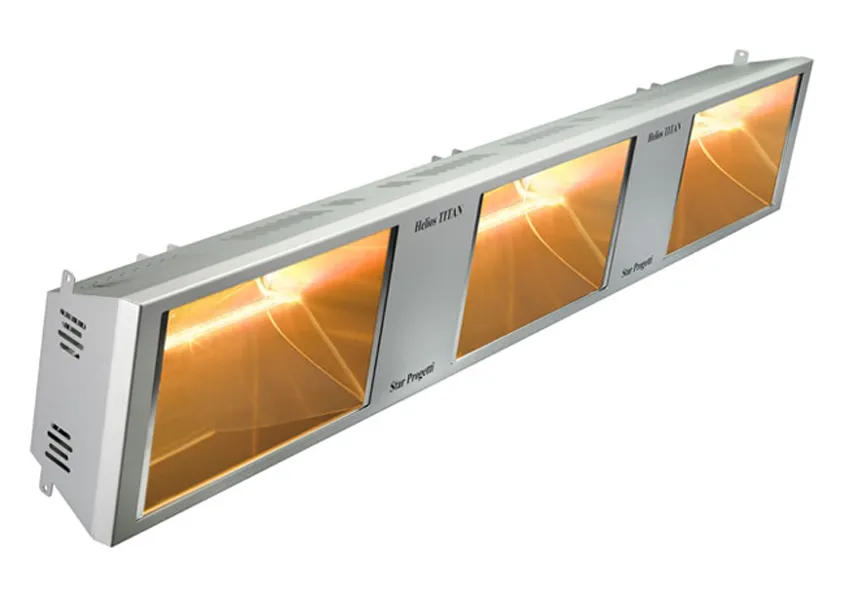
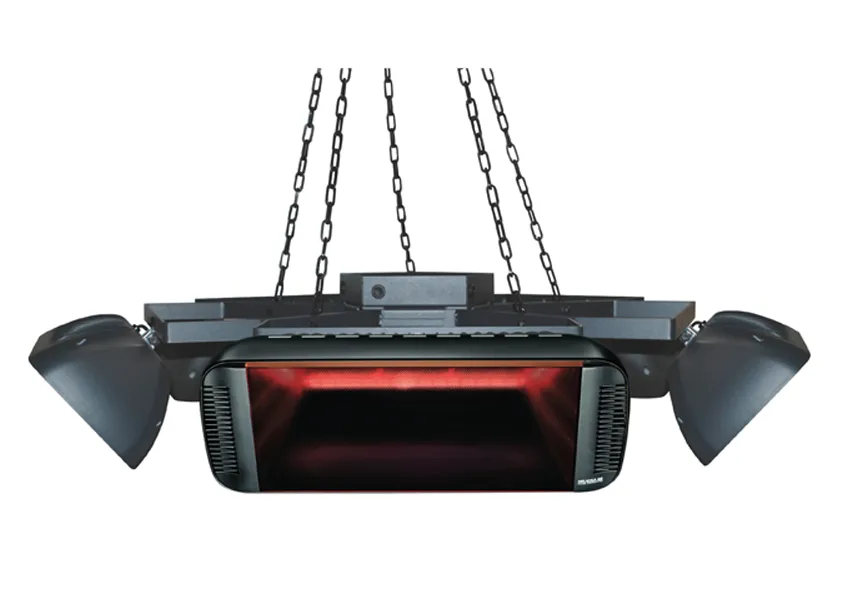
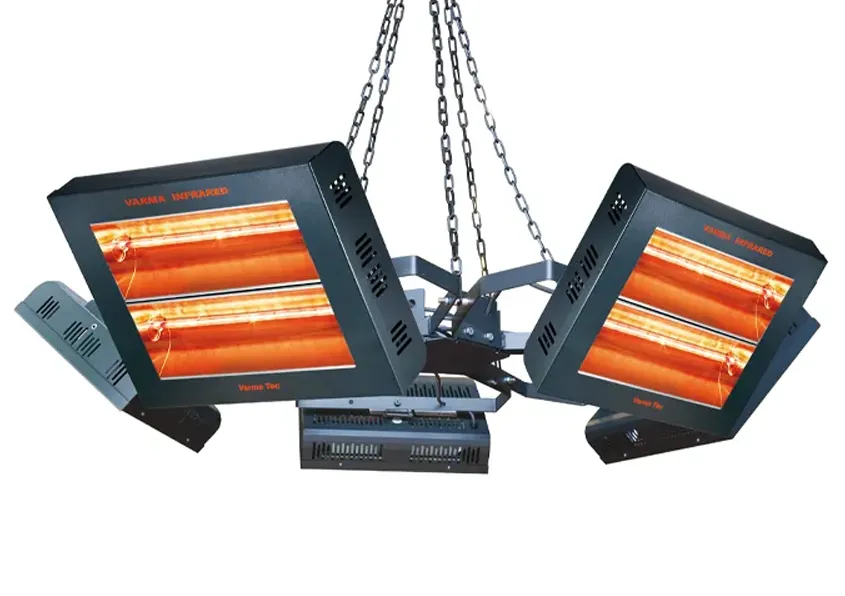
The SunSwitch HeatLogik® Church Heater range
Request a call back
Complete the form below to arrange a consultation with one of our experts.
Or call us on 01424 533215


Frequently asked questions
How do I heat a large church economically?
Infrared heating is typically the most economical approach, because it heats the congregation directly rather than the building’s full air volume—the opposite of what gas or oil convection systems do in a high-ceilinged space.
Will infrared heaters damage a historic or listed church building?
No, SunSwitch HeatLogik® infrared heating requires only a simple electrical connection rather than invasive pipework, and produces no condensation, which is a genuine concern for older building fabric that gas or oil systems can create.
Do infrared church heaters need to be switched on before a service?
No, this is one of the main advantages over conventional systems. There’s no pre-warming required; heat is instant, which also means no wasted energy heating an empty building overnight.
Can church heating be funded through a grant?
Some churches have successfully funded infrared heating upgrades through schemes like the Church of England’s Net Zero Quick Wins fund, as All Saints’, Mendham did. Funding availability varies, so check current schemes with your diocese.
Is infrared heating suitable for church halls as well as the main worship space?
Yes, the same zoned, instant-heat approach works for halls, meeting rooms and side chapels, and can be installed and controlled independently of the main space. We have installed SunSwitch HeatLogik® heaters in many churches and heritage buildings across the UK. See the full list of who we’ve worked with here.