Skip to content


ATEX Heaters: Radiant Heaters Approved for Hazardous Zones
What are the best heaters for ATEX zones in the UK?

Safe, effective and efficient infrared heating for dusty, hazardous ATEX Zones 2 & 22
If your site has a classified ATEX zone—a spray booth, a chemical store, a grain silo, a woodworking shop with airborne dust—you can’t heat it with a standard heater. An ATEX heater is purpose-built and certified to operate safely where gas, vapour or dust could ignite.
Most heaters create risk in these spaces because they move air. HeatLogik® infrared doesn’t.
- Safe to use in potentially explosive environments
- Reduce your energy costs by up to 90%
- Instant warmth, just like the warmth of the sun
- No heat dispersion, even in spaces with high air-movement
SunSwitch supplies the only patented ATEX-approved radiant infrared heater in the world with our proprietary HeatLogik® technology.
Why does an ATEX zone need a different kind of heater?
- Convection and fan heaters move air, which can carry dust, vapour or fumes into contact with hot components
- A single spark from a failing heating element is enough to ignite a Zone 2 atmosphere
- Radiant infrared heating systems heat people and surfaces directly, with no air movement at all—even in spaces with high air-flow or doors left open
- Because heat doesn’t disperse or drift, there’s no wasted energy and no cold spots
The SunSwitch HeatLogik® ATEX Heater range
Helios ATEX-Rated Infrared Heater (2kW)

- Designed, built and tested to operate safely within ATEX Zone 2 and Zone 22
- Rated for explosive atmospheres involving gas, steam, fog, cloud and combustible powder
- Close to 100% energy-to-heat efficiency—virtually no wasted output
- Heats only the zones you need, when you need them—no whole-space heating required
- Low maintenance—elements rated for up to 4,000 hours of use
- Helps meet Minimum Energy Efficiency Standards (MEES) and can boost your building’s EPC rating—see how infrared heating improves your EPC rating
What's the difference between ATEX Zones?
| Zone | Hazard Type | Example Environment | Heater Required |
|---|---|---|---|
| Zone 2 | Gas, vapour or mist, present occasionally and briefly | Chemical/solvent stores, fuel handling, spray booths | ATEX-rated (Zone 2) |
| Zone 22 | Combustible dust, present occasionally | Grain, flour, woodworking, powder processing | ATEX-rated (Zone 22) |
| Zone 1 / Zone 21 | Gas or dust present continuously or frequently—higher-risk category | High-risk continuous process areas | Outside SunSwitch's current ATEX range — contact us to discuss |
| Non-classified but dusty | Non-explosive dust or debris | General workshops | Standard dustproof heater—see Dusty Environment Heating |
Where are ATEX heaters used?
Spray booths and vehicle paint finishing
Chemical and solvent storage, oil and gas facilities
Grain, flour and combustible dust processing
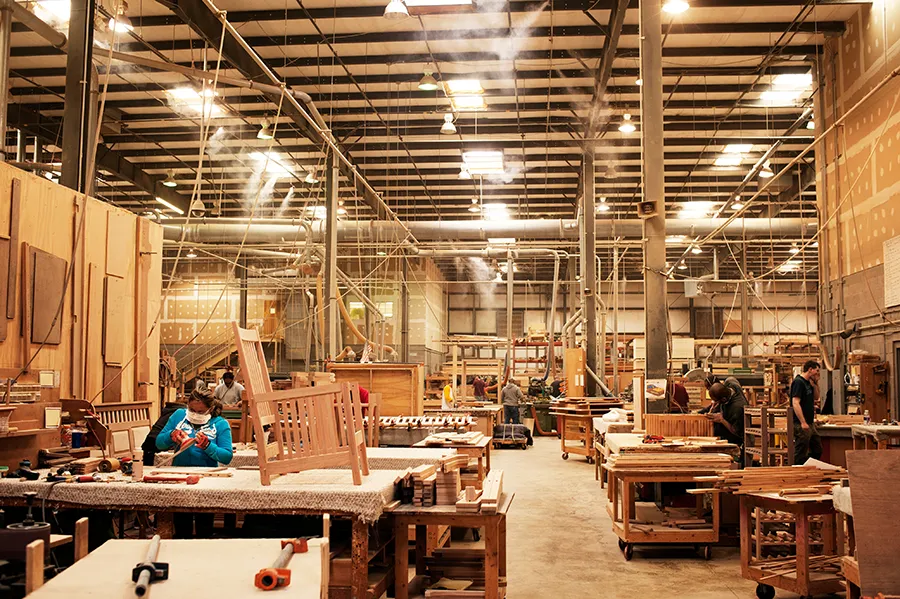
Wood finishing and joinery workshops
Chemical and pharmaceutical manufacturing
Agriculture and livestock sectors
Food manufacturing and processing
Frequently asked questions about ATEX Heaters
What is an ATEX heater and why is it required in hazardous industrial environments?
ATEX heaters are specifically designed, tested and certified for use in areas where explosive atmospheres—gas, vapour, dust or fibre—can occur. It’s a legal requirement in classified hazardous zones, because standard heating equipment can act as an ignition source.
What's the difference between ATEX Zone 1 and Zone 2?
Zone 1 covers areas where an explosive atmosphere is likely during normal operation; Zone 2 covers areas where it’s possible but not expected.
The same distinction applies to dust risk as Zone 21 and Zone 22. SunSwitch’s HeatLogik® technology is certified for Zone 2 and Zone 22—for Zone 1 or Zone 21 requirements, contact our team to discuss options.
How do I choose the right ATEX-rated heater for a Zone 1 or Zone 2 classified area?
Start with your site’s official zone classification, which should be documented in your Display of Substances Assessment or DSEAR risk assessment. That classification determines which heater rating is legally required—our team can help you match a heater to your documented zone once you have it.
Which industries in the UK are required to use ATEX-certified heating equipment?
Any site handling explosive gases, vapours, or combustible dust—including chemical and pharmaceutical manufacturing, oil and gas, spray booths and vehicle refinishing, grain and flour processing, and woodworking with fine dust—falls under ATEX requirements where a zone has been classified.
How do I ensure compliance with ATEX heating regulations on an industrial site in the UK?
Compliance starts with a documented DSEAR risk assessment identifying your site’s zones, followed by selecting equipment certified for that specific zone. Heating is often overlooked in this process — it’s covered by the same regulations as electrical and mechanical equipment in the zone.
Is infrared heating safe in an ATEX zone?
Yes, when the heater itself is ATEX-certified. Infrared heaters are not automatically ATEX-safe. In order to receive certification, they must meet certain requirements including explosion-proof enclosures, sealed components and thermal controls.
Can I retrofit an ATEX heater into an existing building?
In most cases, yes. Get in touch with your site details and zone classification for a tailored design recommendation.